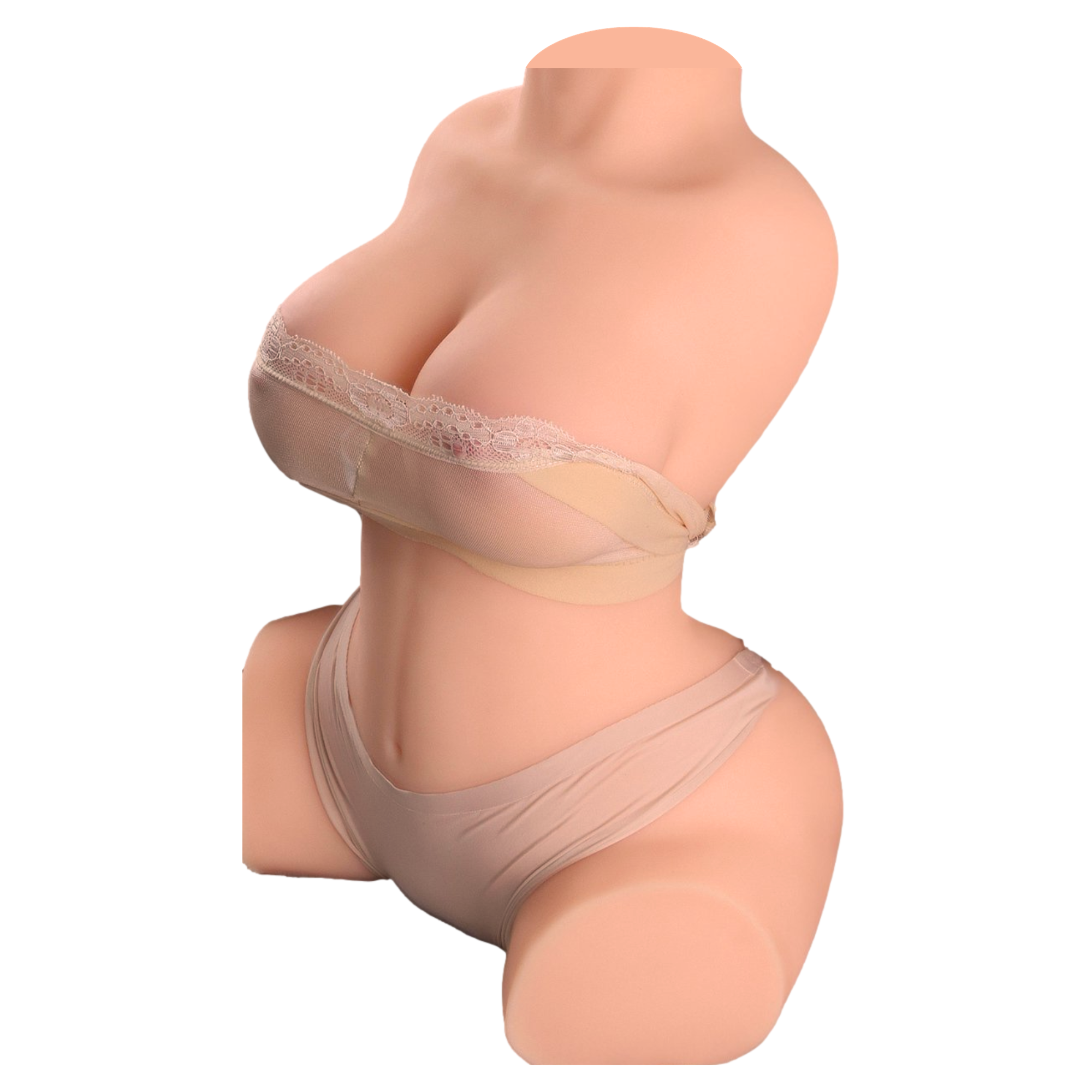
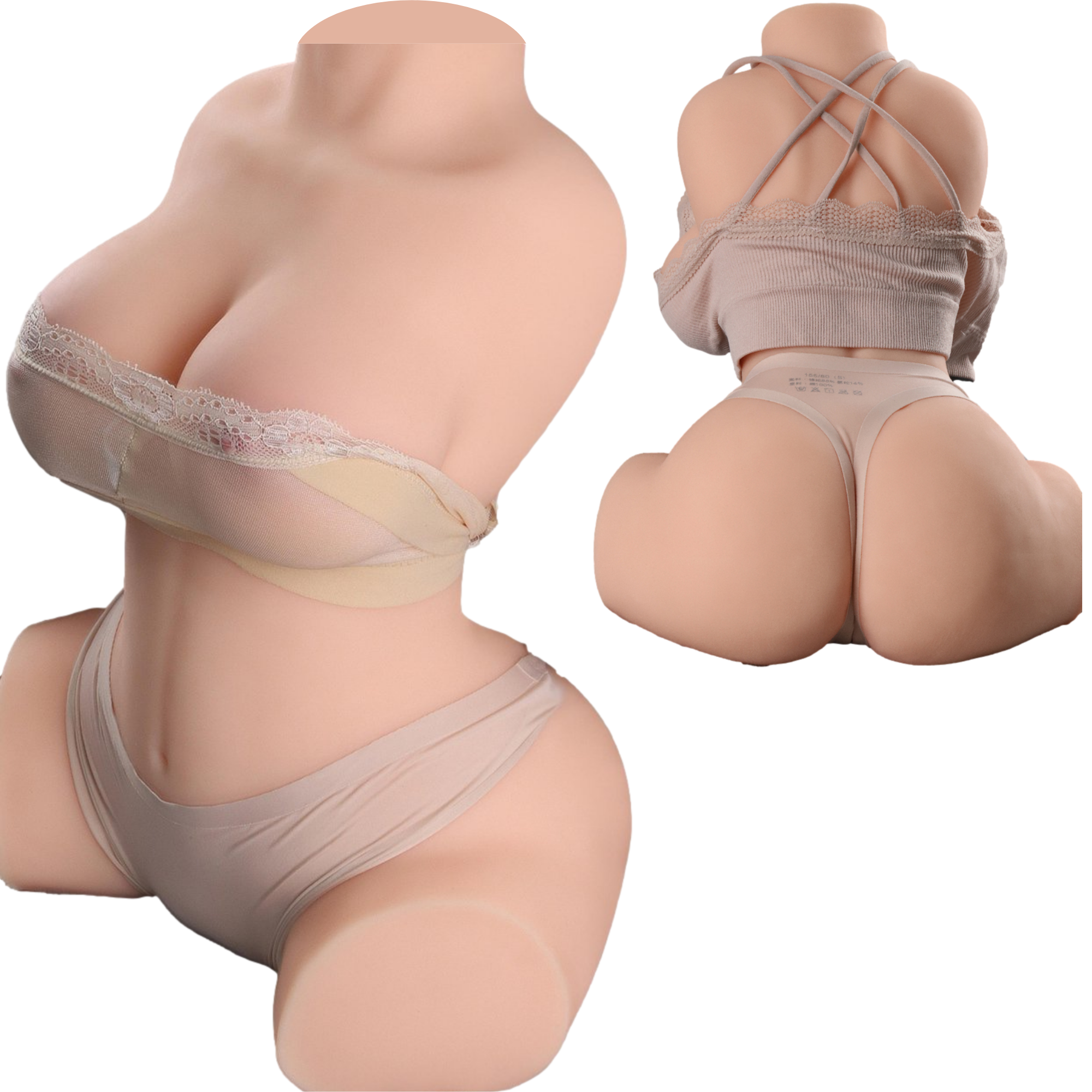
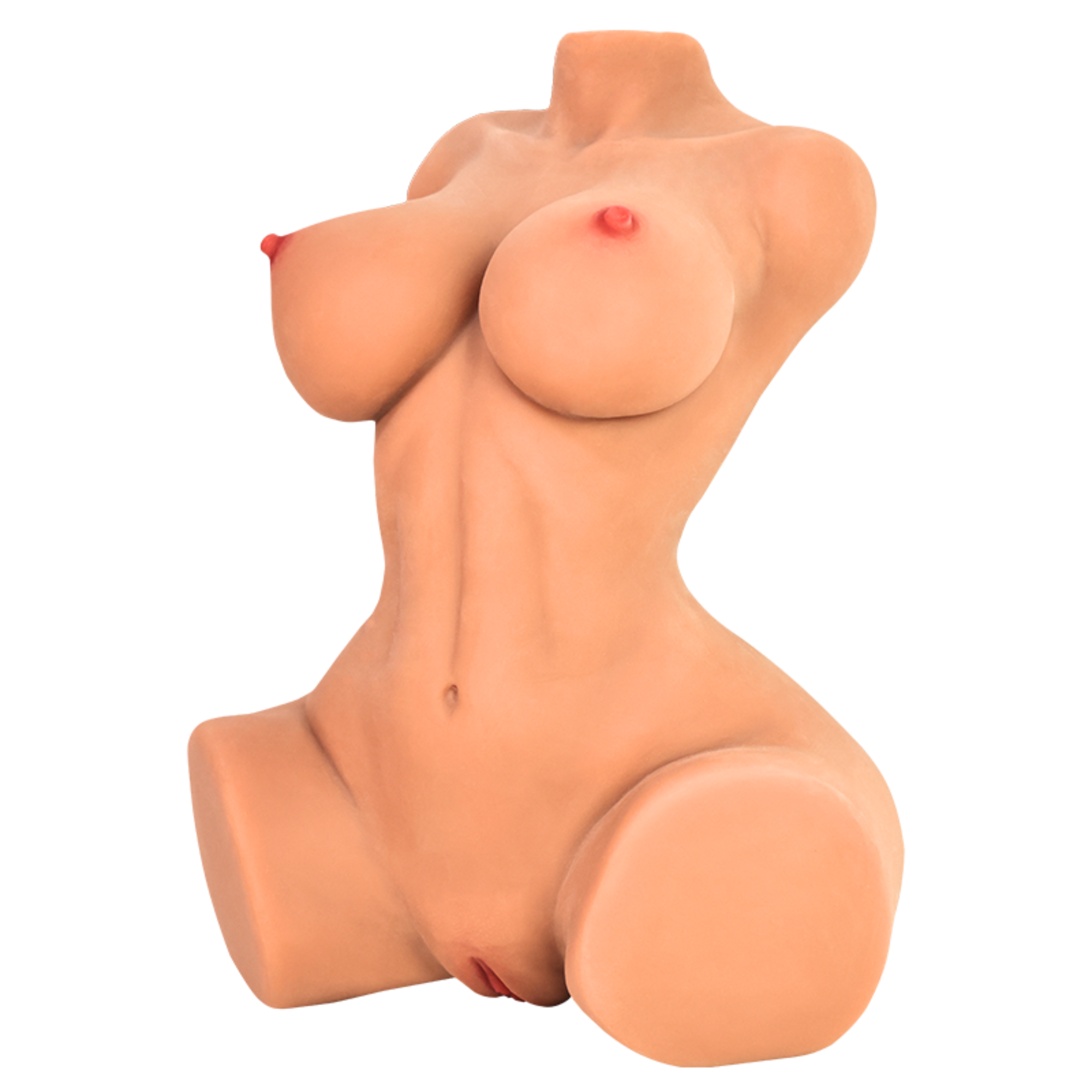
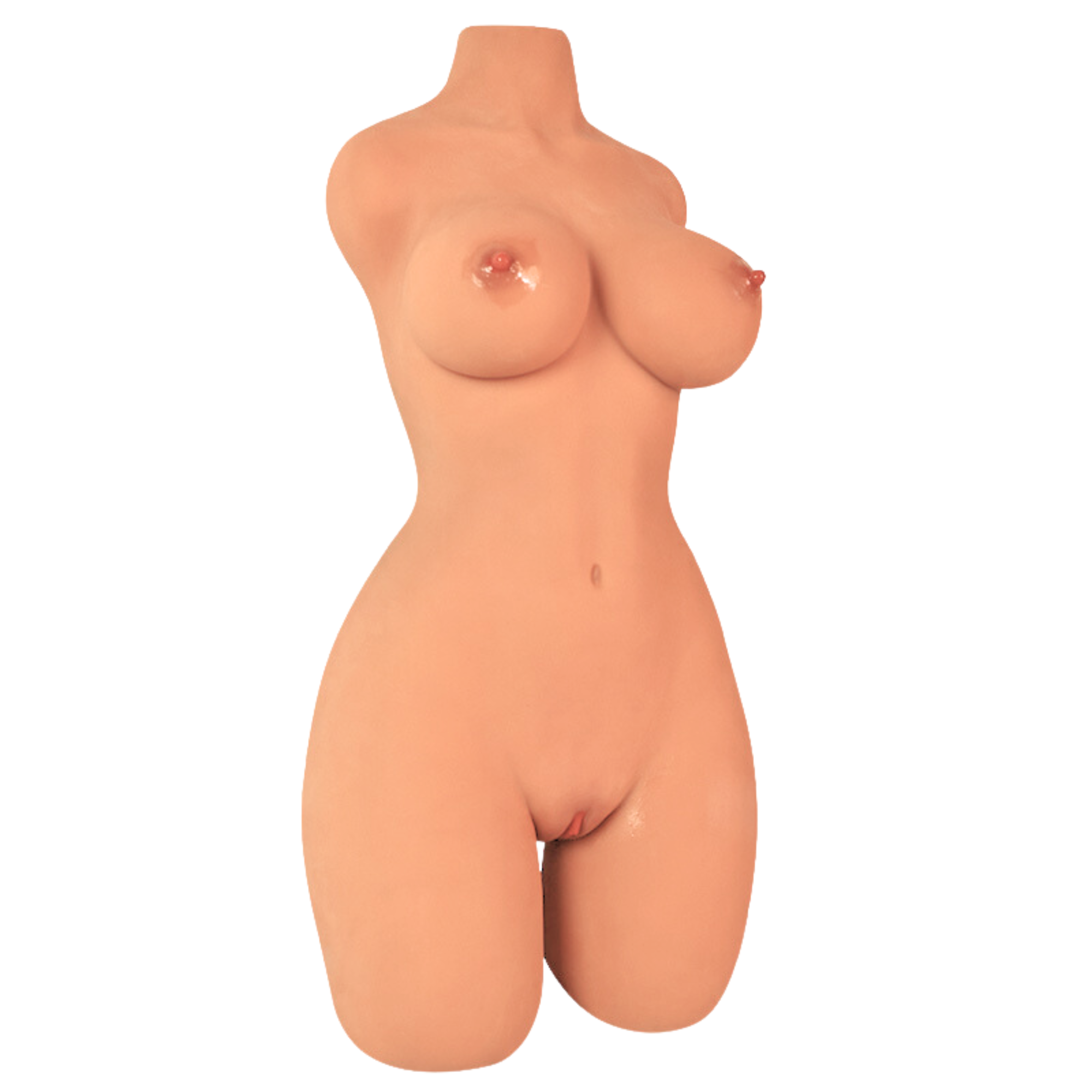
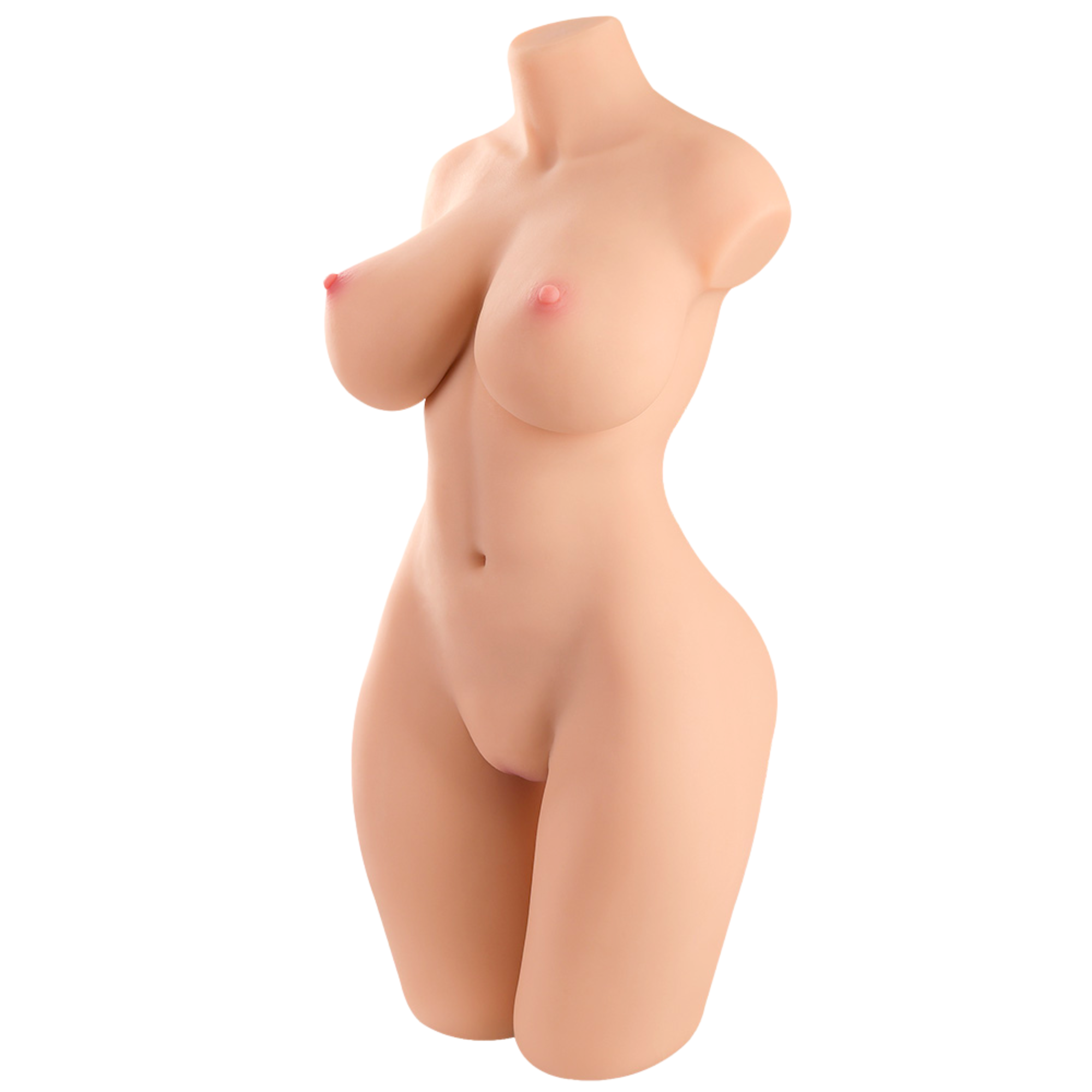
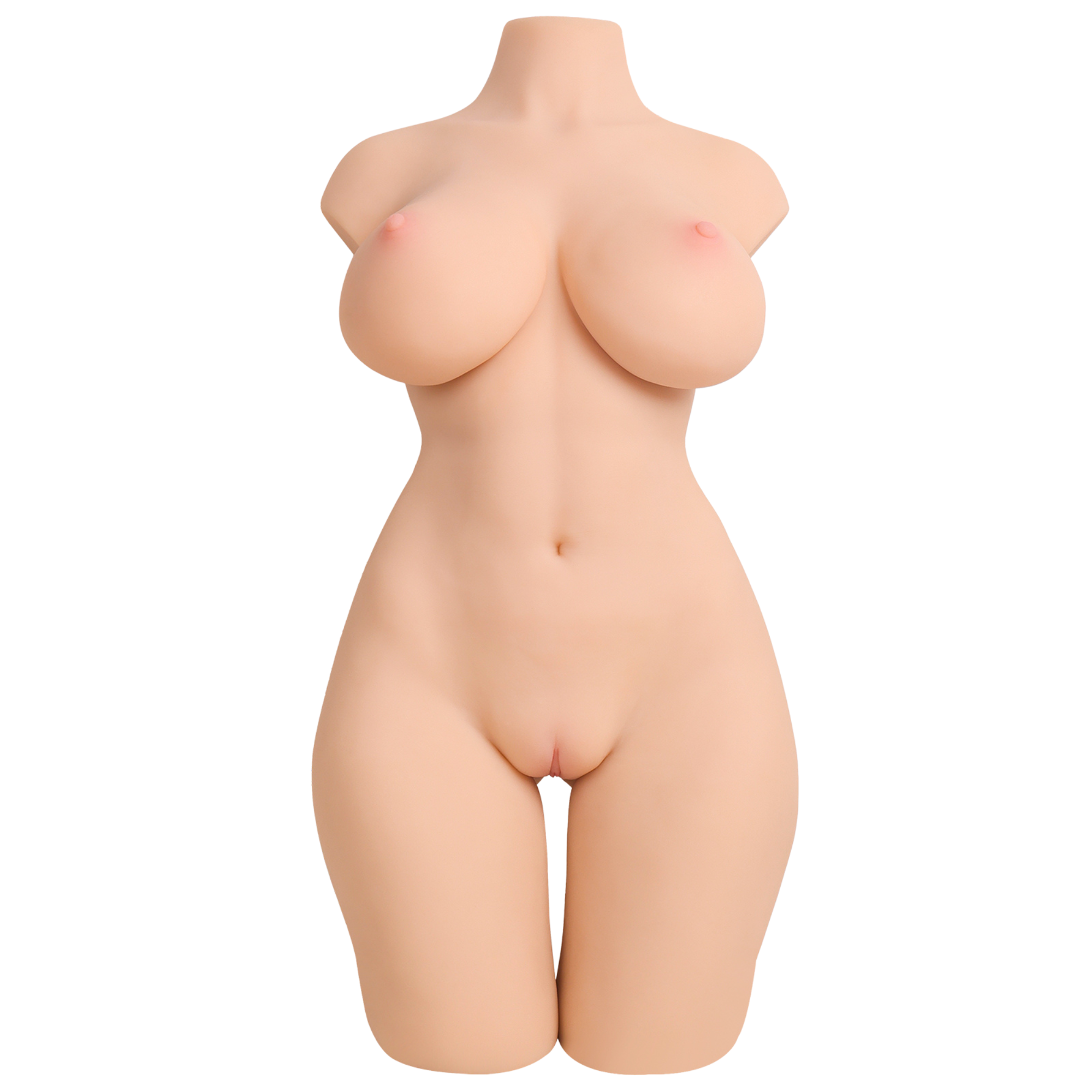
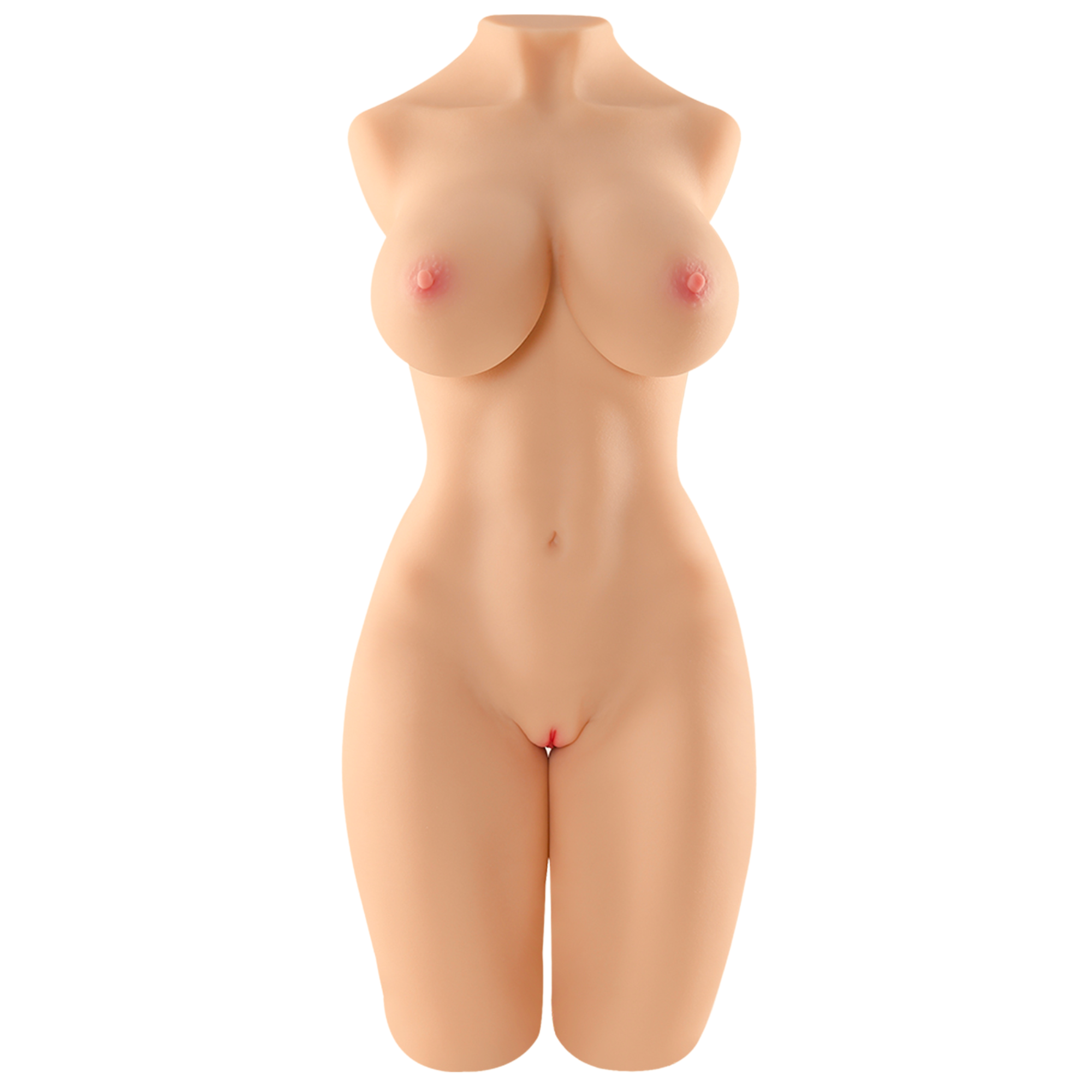
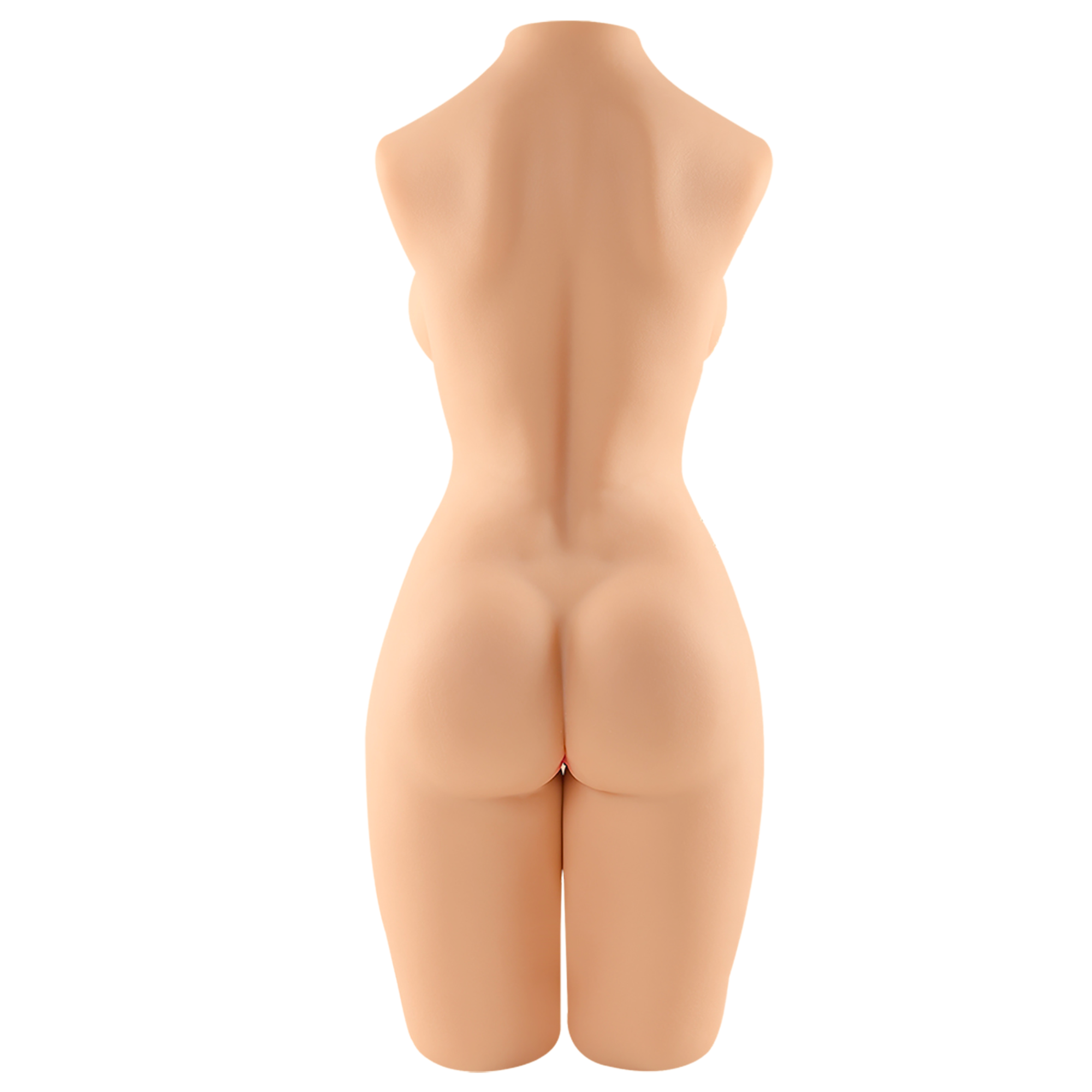
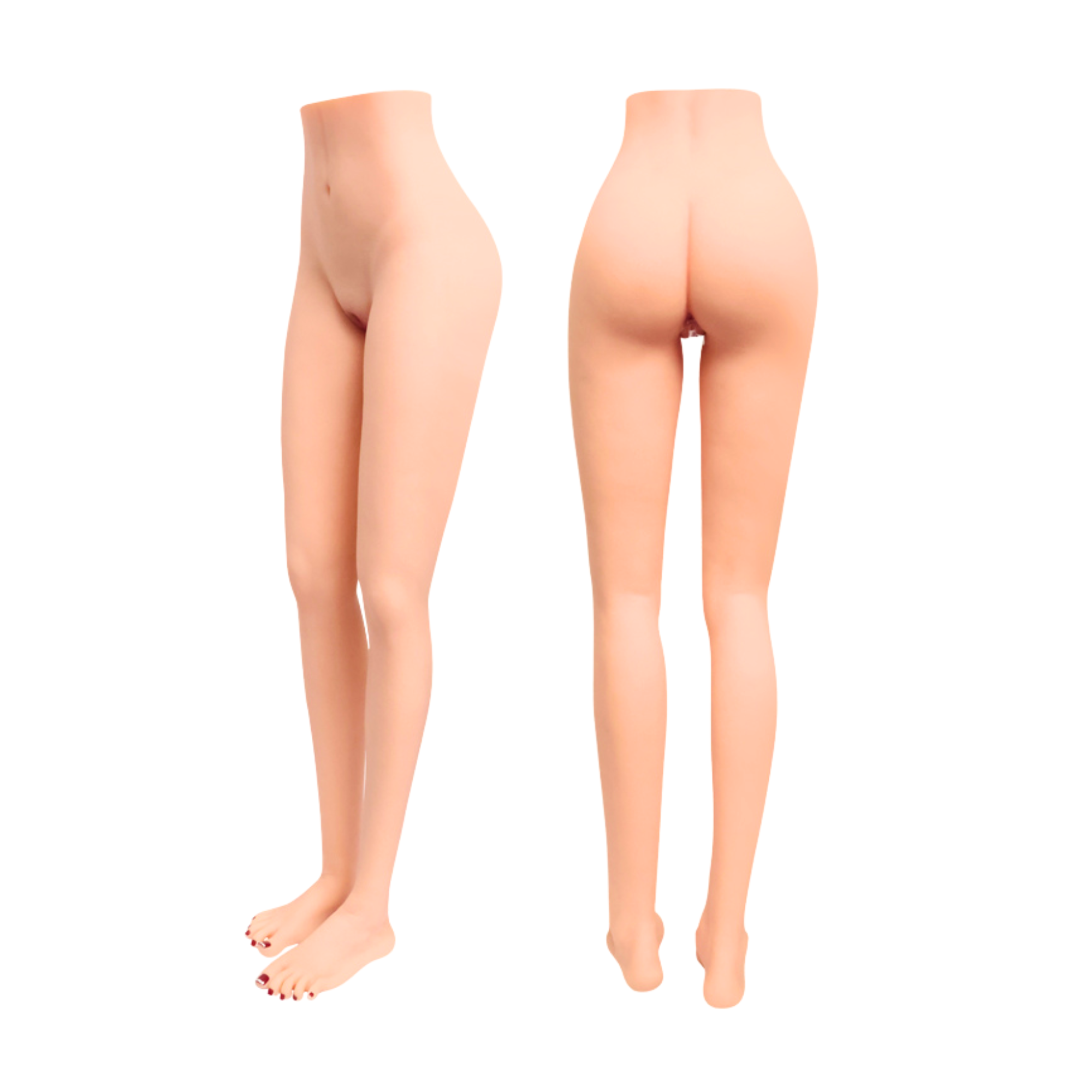
There is no essential difference between the terms "sex doll" and "sekspop"; they both refer to the same concept: a lifelike doll designed for sexual gratification. The distinction mainly lies in the language and context in which they are used. Here are some details to clarify this further:
Language Usage:
-
Sekspop: This is the Dutch term.
-
Sex doll: This is the English term.
Materials of a sex doll:
Both terms refer to dolls made from materials such as TPE (thermoplastic elastomer) or silicone, which provide a realistic feel and appearance.
Features of a sex doll:
-
Realistic Design: Both types are designed with great attention to detail to offer a lifelike experience.
-
Customizability: Both sekspoppen and sex dolls can often be customized according to the user's preferences, such as hair color, eye color, body type, and so on.
-
Internal Structure: Many of these dolls have an internal skeleton that allows for flexibility and posing.
Use of a sex doll or sekspop:
-
Sekspop: Used by Dutch-speaking users and in markets where Dutch is the primary language.
-
Sex doll: Used by English-speaking users and in international markets where English is the primary language.
Applications of sex dolls:
-
Sexual Gratification: Both are primarily used for sexual satisfaction.
-
Emotional Support: Some users also find emotional support in these dolls.
-
Art and Photography: Both are sometimes used in artistic contexts or for photographic purposes.
Summary:
The difference between a sex doll and a sekspop is purely linguistic. They are technically and functionally identical and differ only in the language in which the term is used.