What is a loose-joint upgrade compared to standard joints?
It's important to emphasize that this system isn't a technical improvement or upgrade that's inherently "better" than the standard skeleton; it's simply an alternative setup for a different way of using the doll:
- Standard joints: Sturdier, offer more resistance, and are designed to hold poses firmly for a long time.
- Loose-joint system: Lower joint resistance, allowing the limbs to move more smoothly and requiring less force to handle.
Which joints are adjusted?
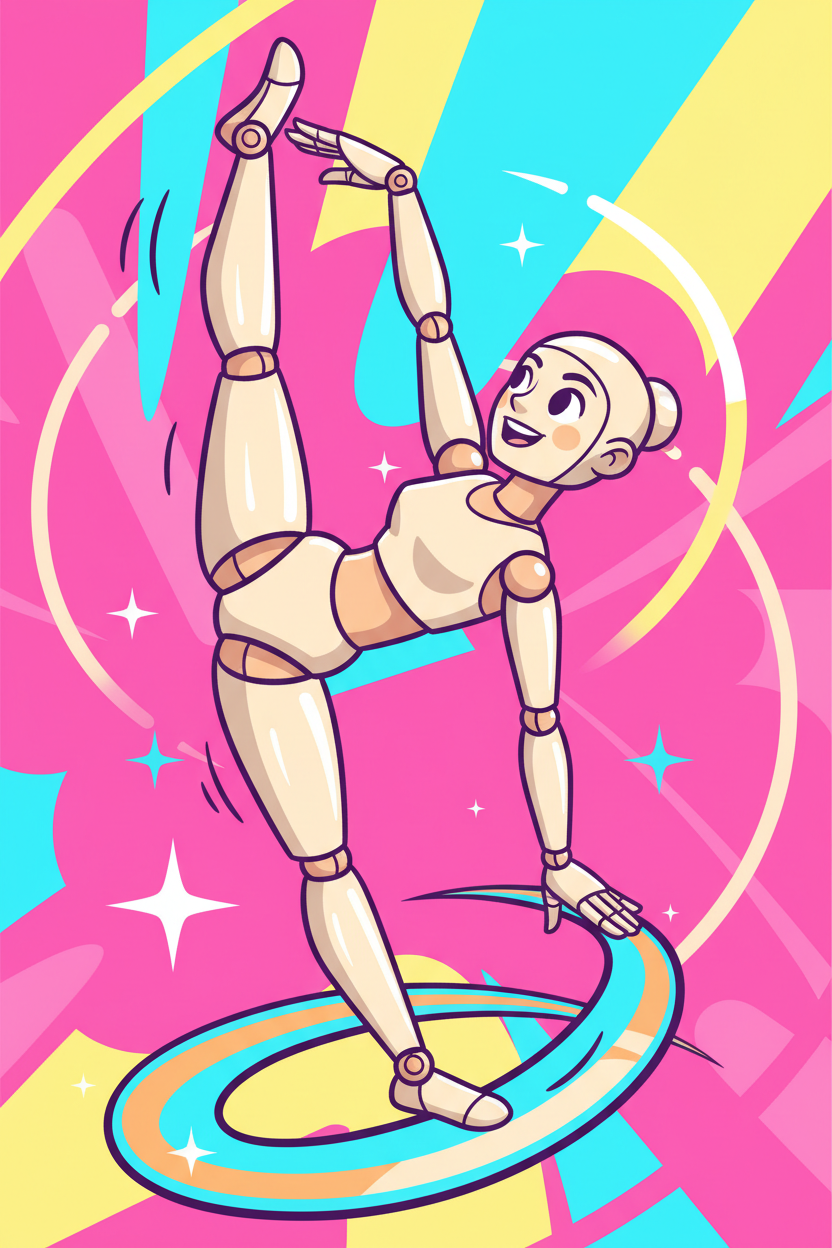
The system adjusts the tension at four key joint points in the skeleton:
- Shoulder joints
- Elbow joints
- Hip joints
- Knee joints
When is the loose-joint upgrade suitable?
This option is ideal for users who value practicality and comfort over setting up complicated poses. It's suitable if you:
- Have difficulty with the considerable force required by standard joints (for example, when dressing and undressing the doll).
- Mostly use the doll in lying positions. Sleeping and cuddling, for example, are more comfortable with loose joints than stiff joints.
- Enjoy smoother, more natural limb movement when lifting or moving the doll.
- Rarely use complex or tight poses.
When should you not choose the loose-joint upgrade?
Because the joints have less resistance, they also provide less structural support. Don't choose this option if:
- The doll needs to be able to stand independently: with loose joints, the skeleton cannot support its weight well enough to stand on its own.
- The doll needs to be able to sit independently: without support from a backrest, wall, or sofa, the doll cannot reliably maintain a sitting position.
- You enjoy photography and posing: If you want to place the doll in specific positions often and keep it fixed in that pose for a long time, the standard joints offer much better support.
What does a loose joint look like?
Below are two videos demonstrating the doll with loose joints. The limbs don't stay in position and fall down like a limp body.