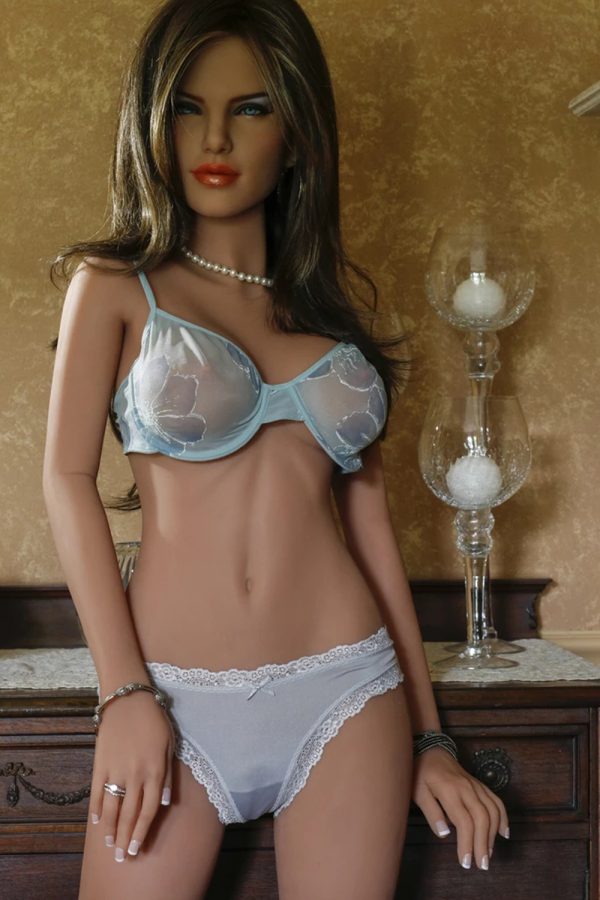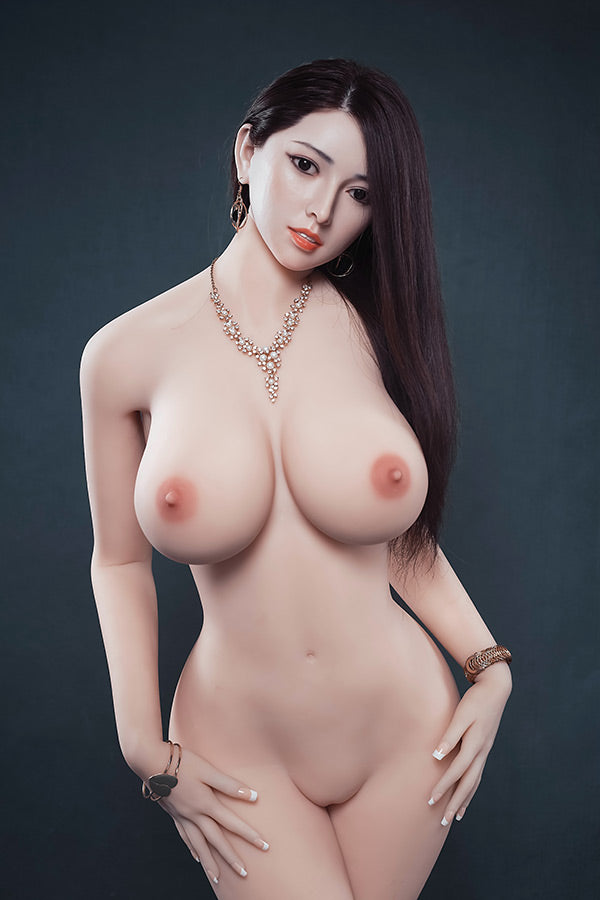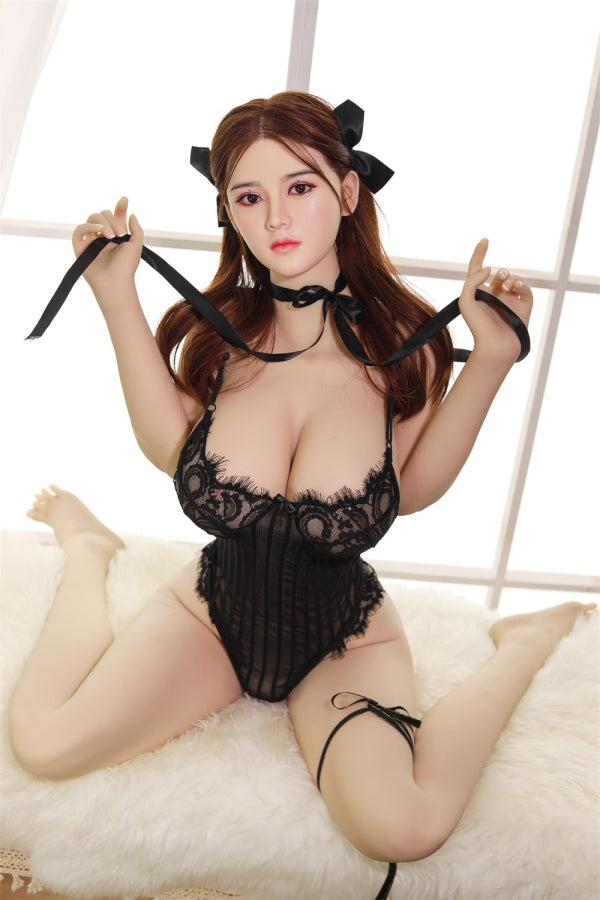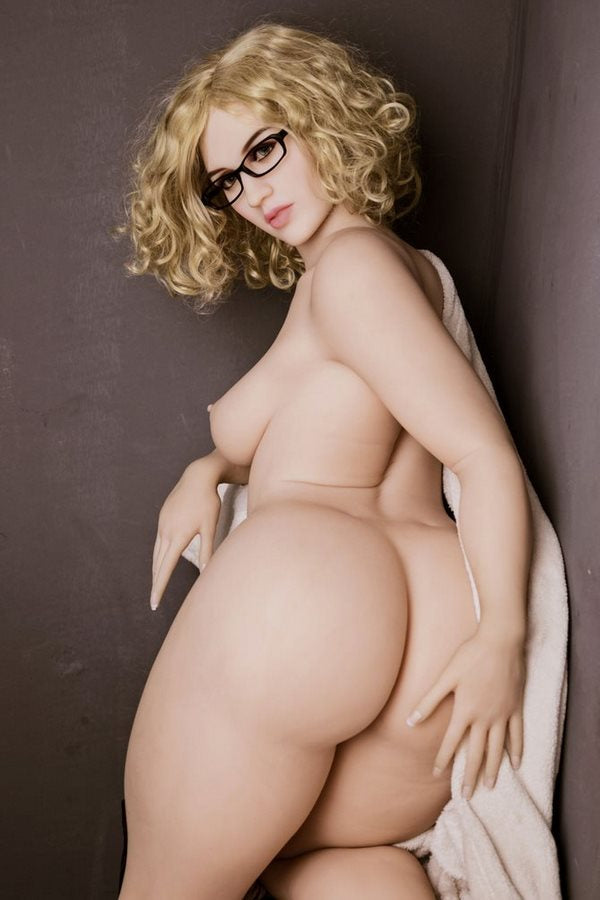
The sex doll community can be divided into two categories of people. The first category mainly uses sex dolls for psychological needs, having a partner, presence, and companionship. The second category focuses more on fulfilling physical needs, sex itself.
The first category/type enjoys dressing life-sized dolls, playing role-playing games, and taking photos of the dolls, or simply having their presence at home. Some people in this category seek spiritual support, others are childless couples who buy a realistic love doll to raise as a daughter, and there are also widowers who use a sex doll as a replacement for their deceased wife.
The second category focuses more on fulfilling physical needs. However, many users combine both needs.
The origin of the categories
In 1977, Orient Industry, the famous Japanese manufacturer of sex dolls for adults, launched their first "premium sex doll" called Smile.
(1)
The goal was to make the use of sex dolls easier for a specific group of people. At that time, only inflatable dolls were available in Japan, mainly used by disabled people and single seniors. However, these inflatable dolls were large and difficult to secure, making them hard to use. At that time, "Smiles" were expensive, and Orient Industry had a discount program for physically and mentally disabled people to ease the burden for this group.
Despite the "sexual" stigma attached to the perception of silicone dolls, a silicone doll is actually much more than just that label. It encompasses much, much more than just an adult object.
PubMed has calculated that about 70% use the doll as a sexual aid. Additionally, about 80% of buyers are willing to treat a life-sized doll as a "lover," projecting their emotions and desires onto the doll and thus fulfilling the need for mutual companionship of soul and body. (2)
Even today, as silicone dolls are increasingly seen as less merely "sexual instruments," many people’s initial reaction to them may still be "strange."
The stereotype of the sex doll customer
This stereotype is rooted in society’s feeling of shame regarding sexuality, as well as the fact that people talk about sex in different ways. In this mindset, TPE and silicone dolls are automatically associated with sex, making them seen as just as embarrassing and strange as sex itself, as well as the people who use them.
The consequence of this stereotyping
As a result, owners of sex dolls feel hindered from openly expressing their feelings, just as people with other hobbies can. But aside from these stereotypes, should owners of dolls who harm no one, cross no moral boundaries, or cause no harm to others really bear the stigma of being "perverts"? We think not.

What type of people buy sex dolls?
Demographically, they are all kinds of people, highly or less educated, legal professionals or show business, young and old, with or without a partner, extroverted or introverted.
There is no specific type of person who buys sex dolls; every layer of society can come into contact with them and feel attracted to them.
Sources
- 1. Japan Today:
Japan Today. (26/08/2024). Japan’s premier love doll maker is closing; says goodbye to fans with heartfelt message. Accessed on 19/11/2025, from https://japantoday.com/category/features/lifestyle/japan%E2%80%99s-premier-love-doll-maker-is-closing-says-goodbye-to-fans-with-heartfelt-message - 2. PubMed / PMC:
Harper, C. A., & Lievesley, R. (15/08/2020). Sex doll ownership: An agenda for research. Current Psychiatry Reports, 22(10), 54. Accessed on 19/11/2025, from https://pmc.ncbi.nlm.nih.gov/articles/PMC7429526/